There’s a kind of pressure that doesn’t shout. It doesn’t come with deadlines or ultimatums or raised voices. It settles in quietly. You feel it when you’re alone with your thoughts. When you replay conversations. When you wonder if you said too much, or not enough. When you ask yourself, Was I acceptable today?
Most of us grow up believing that if we follow the rules, work hard, be kind, stay out of trouble, we’ll eventually arrive at a stable sense of self. That one day, we’ll finally feel finished. Complete. Enough.
But the world doesn’t work that way anymore. The definition of “enough” keeps shifting.
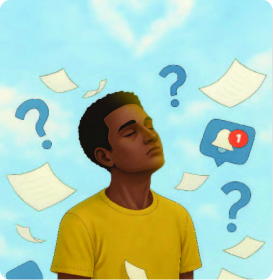
What’s praised today is questioned tomorrow. What once felt right suddenly feels outdated. Standards change, expectations multiply, and the finish line moves just as you think you’re getting close. In that constant state of recalibration, it’s easy to feel like you’re always slightly behind, always adjusting, always correcting, always trying to fit into a shape that won’t hold still.
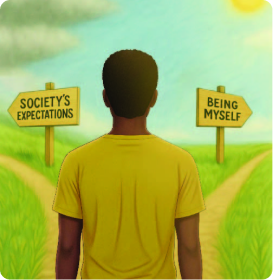
That tension sits at the heart of The Mirror Within. The book doesn’t offer slogans or easy reassurance. Instead, it gives voice to something many people carry but rarely articulate: the exhaustion of trying to be acceptable in every direction at once.
One of the most striking things about the poems is how familiar they feel. The speaker isn’t making grand declarations. He’s asking questions most of us have asked quietly, often late at night. If I disappoint you, will you forgive me? If I change, will you still accept me? If I stand still, will you leave me behind? These aren’t dramatic fears. They’re ordinary ones. And that’s what makes them heavy.
There’s a particular kind of pressure that comes from wanting to be a “good” person while knowing how fragile that label can be. One mistake. One misunderstood moment. One choice taken out of context. Suddenly, everything you’ve built feels like it could unravel. That fear doesn’t come from guilt alone; it comes from the sense that the margin for error keeps shrinking.
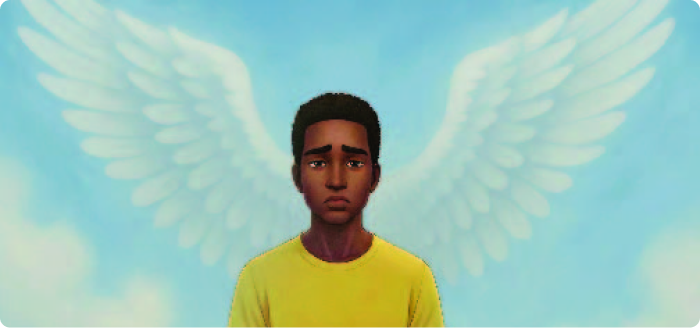
The book captures this feeling without preaching about it. Instead of telling readers how to live, it reflects what it feels like to live now, under constant evaluation, internal and external. The poems move through self-doubt, fear, overwhelm, and resilience in a way that feels more like a conversation than a performance. There’s room to breathe inside them. Room to recognize yourself.
What’s refreshing is that The Mirror Within doesn’t frame vulnerability as a weakness to overcome. It treats it as a condition of being human. The speaker isn’t trying to escape fear or uncertainty; he’s trying to walk alongside them without being consumed. That distinction matters. In a culture obsessed with confidence and certainty, admitting that you’re still figuring things out can feel like failure. The book gently pushes back against that idea.
It suggests something quieter, but more durable: that becoming is not a flaw. That not having everything sorted is not a personal deficiency. That strength doesn’t always look like knowing. It often looks like continuing.
The recurring imagery of mirrors, crossroads, and unfinished journeys reinforces this idea. You’re not asked to fix yourself. You’re asked to look at yourself honestly. To acknowledge the fragmented pieces without rushing to glue them together. To accept that growth often feels uncomfortable precisely because it’s real.
Perhaps the most grounding thing about the book is its refusal to offer a final answer. There’s no moment where the speaker declares himself healed, complete, or finally “enough.” Instead, there’s movement. Forward motion. A willingness to keep going even when certainty doesn’t arrive.
In a world that keeps redefining what it wants from us, that might be the most realistic form of hope there is.
Not the promise that you’ll one day meet every expectation, but the permission to keep becoming, even when you don’t.