There’s a version of “new beginnings” we’re usually sold that feels energetic and clean. Fresh calendars. Big plans. Motivation on demand. But that version doesn’t match how most people actually arrive at change. More often than not, we get there tired. Worn down. Carrying more history than hope.
That’s where The Mirror Within quietly steps in. The book doesn’t treat new beginnings as dramatic resets or bold declarations. It treats them the way they usually show up in real life: gently, imperfectly, and sometimes after you’ve already used up most of your energy just getting through the day.
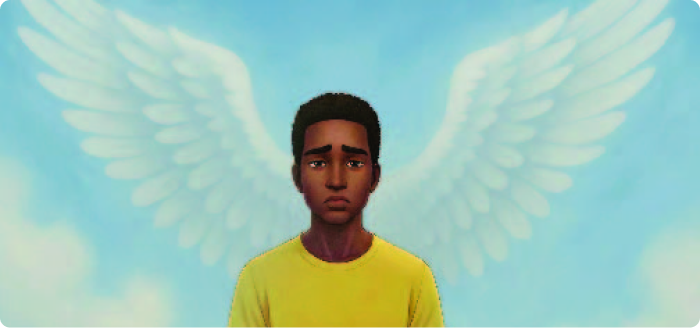
Throughout the poems, there’s a sense that starting again isn’t about excitement. It’s about necessity. About reaching a point where standing still feels heavier than taking one more step. The speaker doesn’t sound refreshed or triumphant. He sounds reflective. Honest. Like someone who knows that renewal doesn’t mean erasing what came before.
That perspective matters, especially in a world that tends to glorify hustle and reinvention. We’re often told that if we’re tired, we’re doing something wrong. That exhaustion means we need more discipline, more drive, more positivity. But the book pushes back against that idea in a quiet way. It suggests that tiredness isn’t a failure. It’s evidence of effort.
The poems acknowledge how much it takes to keep going when you’ve already been carrying doubt, pressure, and uncertainty for a long time. New beginnings, in this context, aren’t about sudden clarity. They’re about choosing not to give up on yourself, even when enthusiasm is low, and confidence feels thin.
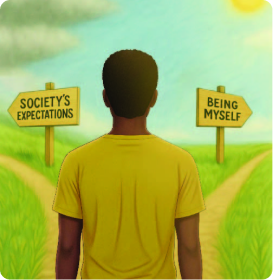
One of the recurring ideas in the book is that growth doesn’t always feel good while it’s happening. Sometimes it feels confusing. Sometimes it feels like standing at a crossroads with no strong preference for either direction, just the knowledge that you can’t stay where you are. That’s a kind of beginning, too, one that doesn’t get enough credit.
What makes The Mirror Within feel grounded is its refusal to romanticize change. The poems don’t promise that starting over will fix everything. They don’t suggest that a new chapter magically erases fear or self-doubt. Instead, they show how beginnings often arrive alongside the same questions you had before, just rearranged slightly.
And yet, there’s hope here. Not loud hope. Not the kind that demands optimism. It’s the quieter hope that comes from motion. From choosing to look ahead even when you’re unsure what you’ll find. From trusting that staying engaged with your own life matters, even on days when you feel drained.
The idea of “the turning year” in the book isn’t about transformation overnight. It’s about permission. Permission to reset your focus. To loosen your grip on what didn’t work. To allow yourself to step forward without needing to justify why you’re tired in the first place.
That’s an important message, especially for readers who feel behind or burned out. The book doesn’t ask you to be ready. It doesn’t ask you to be confident. It simply acknowledges that beginnings don’t wait for perfect conditions. They happen when they have to.
By the time you reach the later pieces, there’s a sense that starting again isn’t an event, it’s a practice. Something you do quietly, over and over, often without witnesses. You don’t announce it. You don’t always feel it working. You just keep adjusting, one day at a time.
In that way, The Mirror Within reframes what it means to begin. It’s not about enthusiasm or certainty. It’s about willingness. About keeping your head pointed forward, even when your body wants rest, and your mind wants guarantees.
New beginnings matter not because they’re exciting, but because they keep you connected to yourself. Even when you’re tired, especially when you’re tired, they remind you that you’re still in motion. Still unfolding. Still allowed to start again without pretending you’re anything other than human.